We Owe You an Explanation
We went quiet. A few months of nothing from a publication that says it exists to give construction a voice. Understandable if that looked like we had done exactly what the industry gets accused of: start something, lose interest, disappear.
That is not what happened.
We hit a wall. Not a technical one. The harder kind. The kind where you sit in a room with yourself and have to answer the question honestly: is this actually filling a gap, or are you just making more noise? We did not want to publish for the sake of publishing. So we stopped. We sat with it.
Then the world shifted in a way that made the answer obvious. And we are going to tell you about that, but first we need to take a small detour. Stay with us. It is worth it.
A Quick Detour (Bear With Us)
This blue collar white collar business. We use those terms in this piece and we are not entirely comfortable with it, because the whole framing is built on a hierarchy we do not subscribe to. But the history behind the language is actually worth a moment.
White collar, 1930s. Office workers. White dress shirts, clean, pressed, untouched by the actual work. Blue collar, the denim and chambray worn on sites and in factories, fabrics chosen because they hid the dirt. The dirt was unavoidable. The colour was a concession to reality.
So the whole system of language we have been using for eighty years to describe how labour works was built on the idea that dirt is something to be ashamed of. That the clean version is the better version. That the person untouched by the work is somehow more valuable than the person doing it.
Sit with that for a second.
Because we are living through one of the most spectacular reversals in the history of labour and nobody is calling it by its name. The white collar is getting automated. The blue collar cannot be.
Blue is true. We did not plan that line. We are absolutely keeping it.
We do not use these terms because we believe in the division. We use them because the people who built that division are now learning what it actually costs.
What Is Actually Happening Out There
It is not in the headlines. It is happening too slowly for that, and the people it is happening to are too embarrassed to talk about it openly.
AI is eating white collar work. Not eventually. Now.
Junior lawyers who spent three years in debt getting qualified are finding their billable hours automated. Copywriters with strong portfolios are watching clients disappear. Graduate analysts running models that software now runs faster and cheaper. The jobs that came with status, with the assumption of a career, with the idea that you had made sensible decisions with your life. Those jobs are going.
Not in a dramatic wave. In a trickle. Firm by firm. Role by role. The junior headcount just does not get replaced when someone leaves.
And yes, we said lawyers. We said coders. We should probably also say the people working in offices more broadly, because here is the thing your boss is never going to tell you in the company meeting. They love you, they really do, but when it comes down to it, it is about the money. It was always about the money. The technology just made the maths easier for them. You were never the point. You were the cost.
The people being hit hardest did everything right. They listened. They got the grades. They went to university. They joined the right firms. The advice they followed was reasonable at the time. It is less reasonable now. And nobody is standing in front of them and saying it plainly.
The Argument That Was Always Stupid
For decades there was this argument. You have heard it. The trades were what you did if you were not academic. The thing careers advisers mentioned last, if they mentioned it at all. The route for people who did not get the grades, did not fit the mould, did not make the cut.
We wrote about this before.Construction is not a plan B.It never was. It takes a specific kind of intelligence to read a site, to work with materials that do not behave the way you want them to, to solve problems in three dimensions with your hands while standing in the rain on a Thursday morning. That intelligence just never had a university prospectus written about it.
The argument was always stupid. Now it is also structurally wrong in a way that is impossible to ignore.
You cannot automate a plasterer. You cannot offshore a groundworker. A bricklayer does not get replaced by a chatbot. The skills built in the body over years, on real sites, reading real conditions with hands and eyes and instinct built over years. Those skills are not on the list of things that software is coming for.
The UK construction industry had a critical shortage of skilled tradespeople before any of this started. That shortage does not ease when white collar work contracts and more graduates flood the remaining professional roles. The sites still need staffing. The tools still need picking up.
The people who went into the trades and built real capability are sitting on something they probably never thought about in those terms. Security. Actual, structural, security that is almost impossible to replicate. In a labour market becoming more uncertain by the quarter, that is worth saying out loud.
50p
Right. Personal one. Relevant.
A while back, negotiating wages with an agency. White collar office. Nice desk. Someone who looked after the numbers. We asked for a modest increase. Nothing dramatic. The kind of thing that does not even register in a spreadsheet at that level.
The answer came back: nothing in the budget.
We pushed. Politely. Professionally. The way you do when you know your worth and you also know how the game is played.
He got annoyed. And he said, and we are paraphrasing only very slightly: listen, you do what you do best, drive the machine. I look after the numbers.
Twenty years in the industry. Experience you cannot teach. Skills you cannot download. Showing up every morning and doing it properly, in the rain, on the tools, building things that are still standing after you have left.
50p.
That agency man is probably very good at looking after numbers. We genuinely hope he is doing well. But the software is also very good at looking after numbers now. Better, faster, cheaper, no expenses account required.
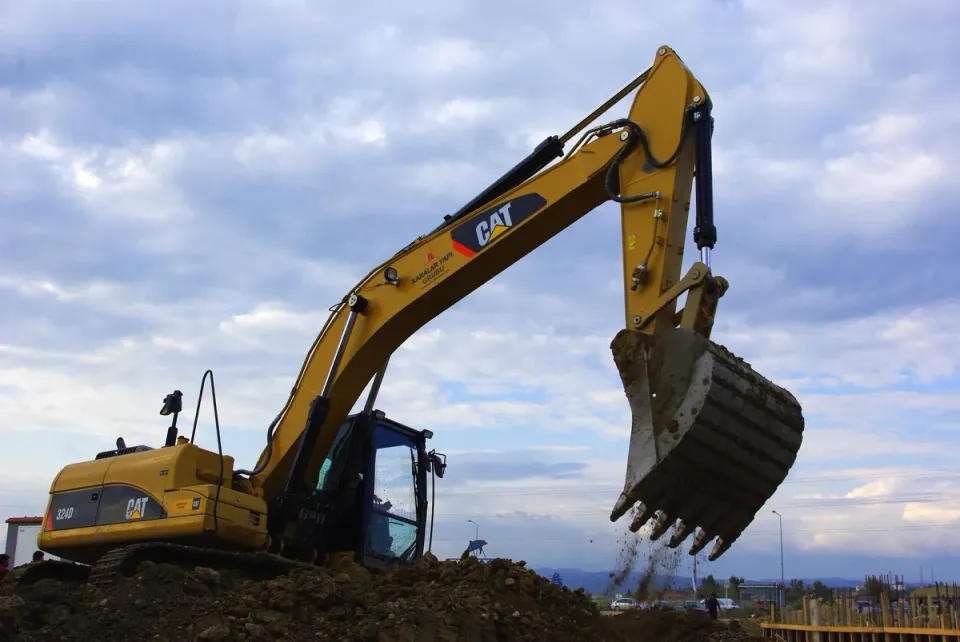
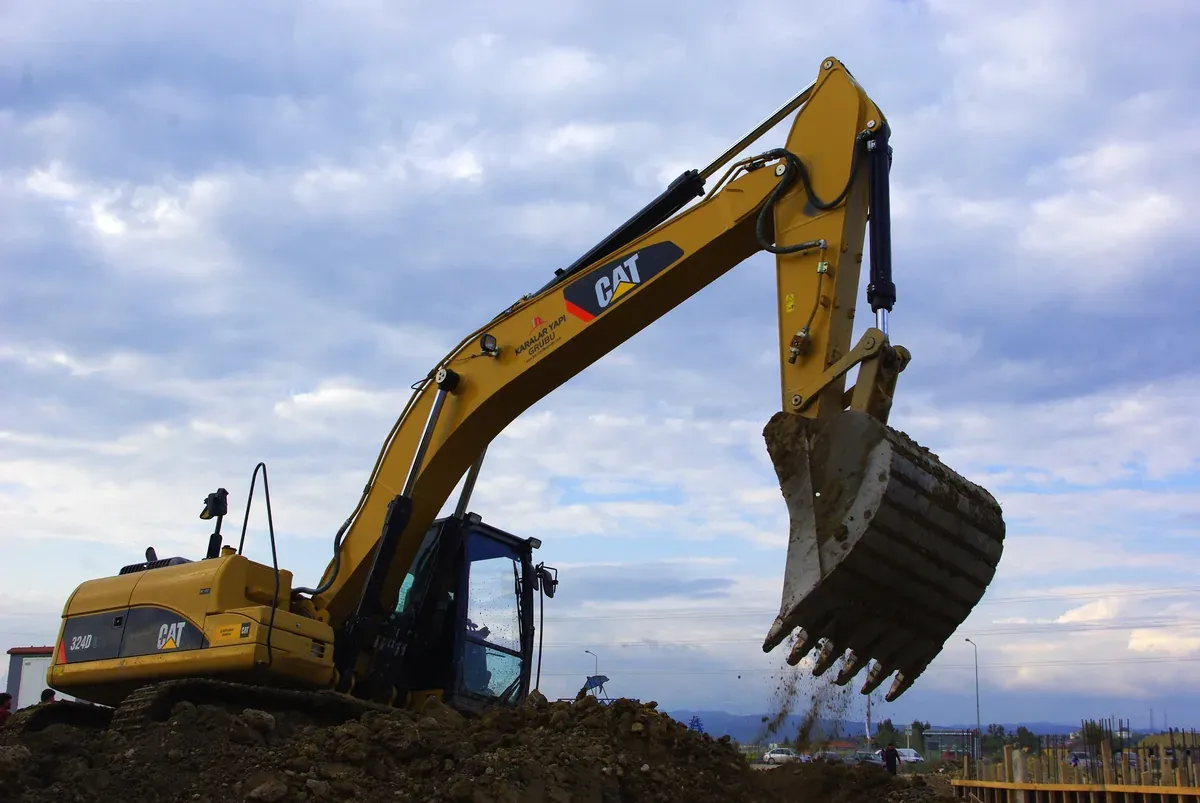
We drive the machine. We always drove the machine. Turns out the machine was the point all along.
What We Are Here For
We came back because this moment is real and construction deserves a publication paying proper attention to it.
Not a trade magazine running sponsored features on product launches. Not a recruitment newsletter in editorial clothing. Not a cheerleader that ignores the genuine problems the industry carries because it might upset an advertiser. The mental health numbers. The wage theft. The culture on too many sites that grinds people down and calls it toughness.
We are here for the people who build things with their hands. We are going to report on what is happening in this sector and in the wider economy that shapes their lives. We are going to say, without flattery, that the work they do has always had value. And that right now that value is more visible than it has been in a generation.
We will be straight when construction gets things wrong. We will not dress it up.
But we are not going to pretend the people who show up every morning and build things that outlast them are anything less than what they are.
We went quiet. We came back with something to say.
Welcome back to From The Boots Up.