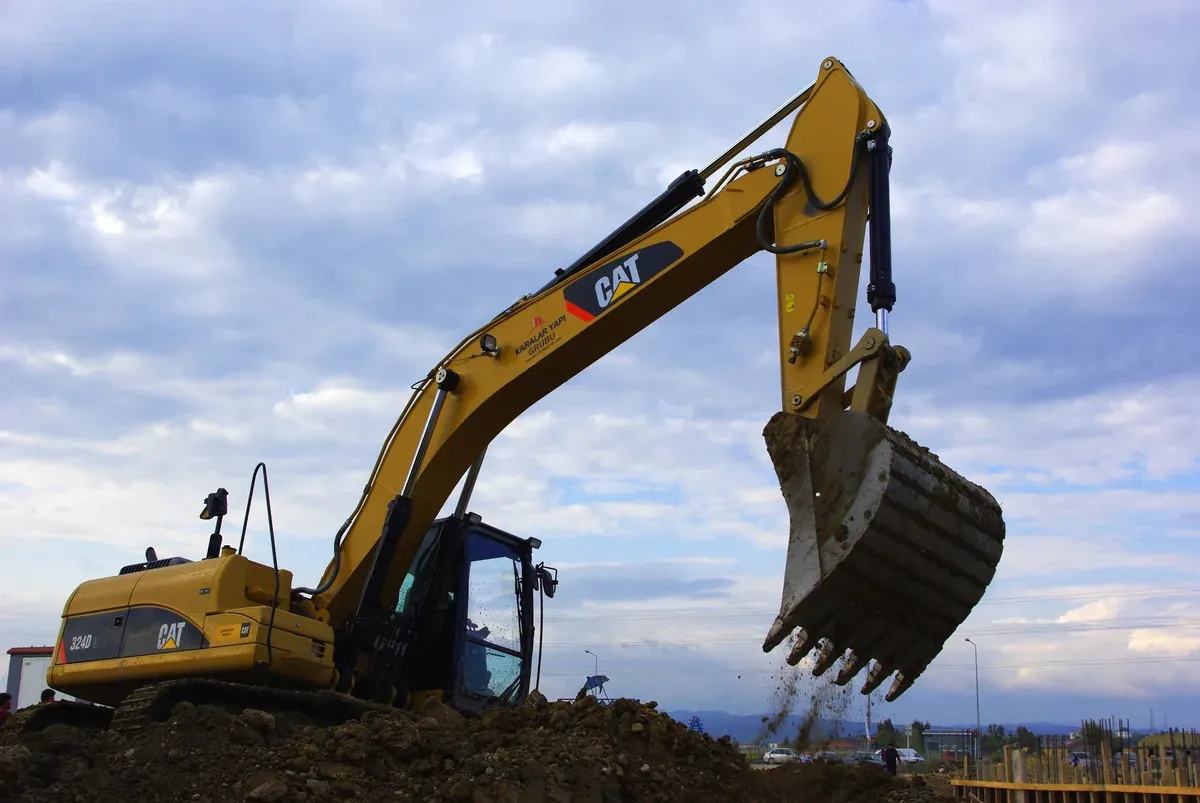
Dave has been operating a 360 excavator since before some site managers were born.
Groundworks. Demolition. Trenching. Track laying. He has worked every ground condition this country can throw at a machine. Clay, rock, made ground, contaminated sites. He has pulled plant out of situations that would make a younger operator sweat just reading about it.
He has a CPCS card. He has his tickets. He has thirty years of proven competence behind him.
He still has to write a CV.
And when he does, that CV gets sorted against every other applicant in the pile. Some of them have three years' experience and a better-looking document. Some of them have worked on two sites and know how to format a bullet point. Some of them have never sat in a cab at all but applied anyway because the job board made it easy.
The CV cannot tell the difference.
That is not Dave's failure. That is the failure of the format.
The CV was built for offices. It was designed for roles where the work looks similar from job to job, where credentials transfer cleanly, where a tidy document is a reasonable signal of a capable person.
Construction is not that world.
In construction, competence is physical, situational and earned. You cannot fake thirty years in a cab. You cannot write it up in a way that captures what it actually means to have that experience under your belt. The document always falls short of the person.
So what happens? Dave gets screened by someone who has never been on a site. Filtered by a system designed for a different industry. Measured against people who are nothing like him using a tool that was never built for him.
And sometimes Dave does not get the call.
Not because he is not the best person for the job. Because his CV did not score well enough in a process that was never designed to find someone like him.
The industry is crying out for experienced operators. The skills gap is real and it is getting worse. And the tool we are still using to find people is the one that cannot see them.
That is the wrong filter.